Sheet Metal Fabrication Knowledge Center | DFM, RFQ and Sourcing
Technical articles for buyers

Sheet Metal Fabrication Knowledge Center

SEO-focused articles that answer real sourcing questions about custom sheet metal parts, enclosures, bending, welding, finishing and DFM review.

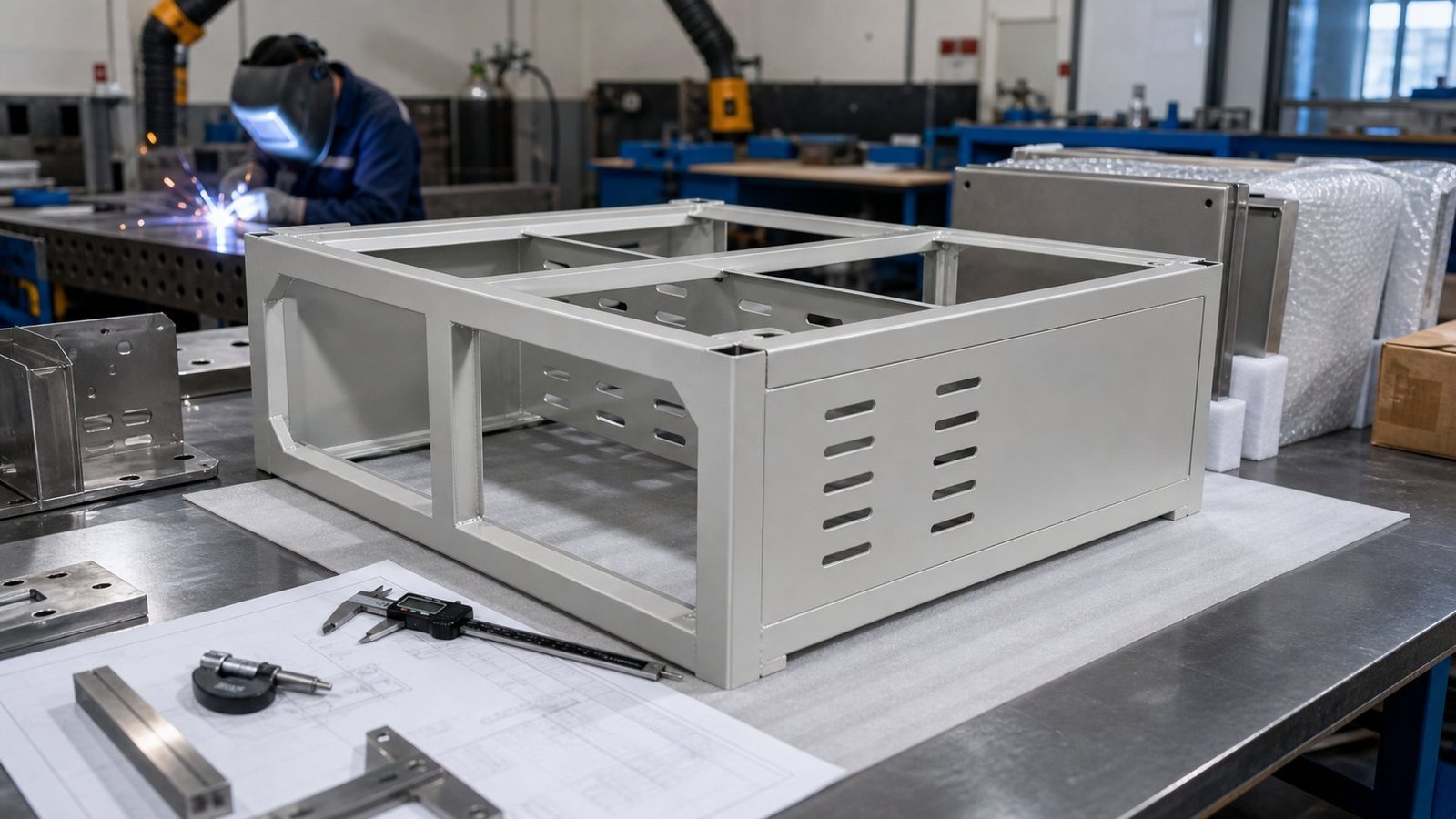
Custom Sheet Metal Enclosure Design: What Buyers Should Confirm Before RFQ
Enclosure Design

Custom Sheet Metal Enclosure Design: What Buyers Should Confirm Before RFQ

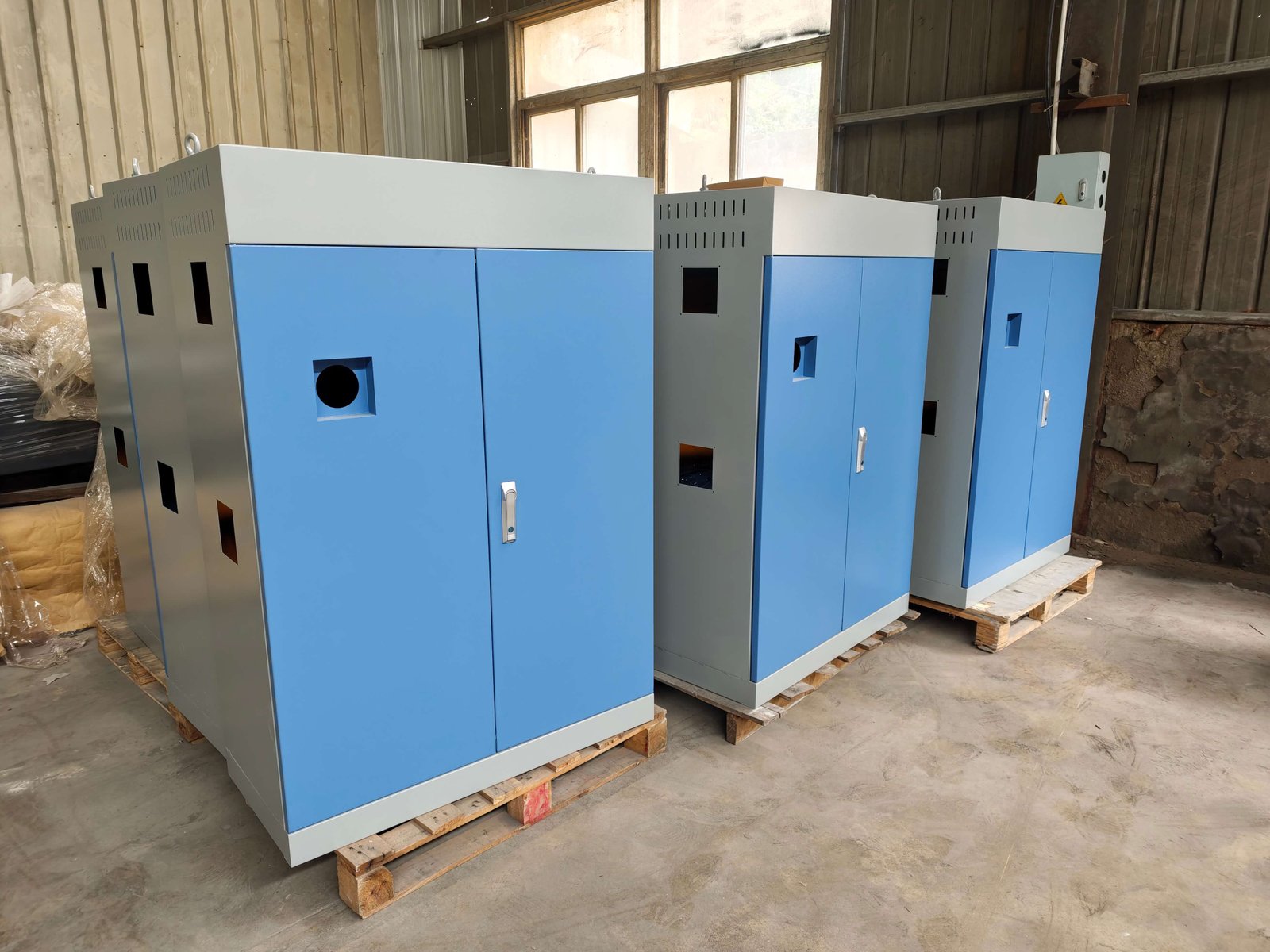
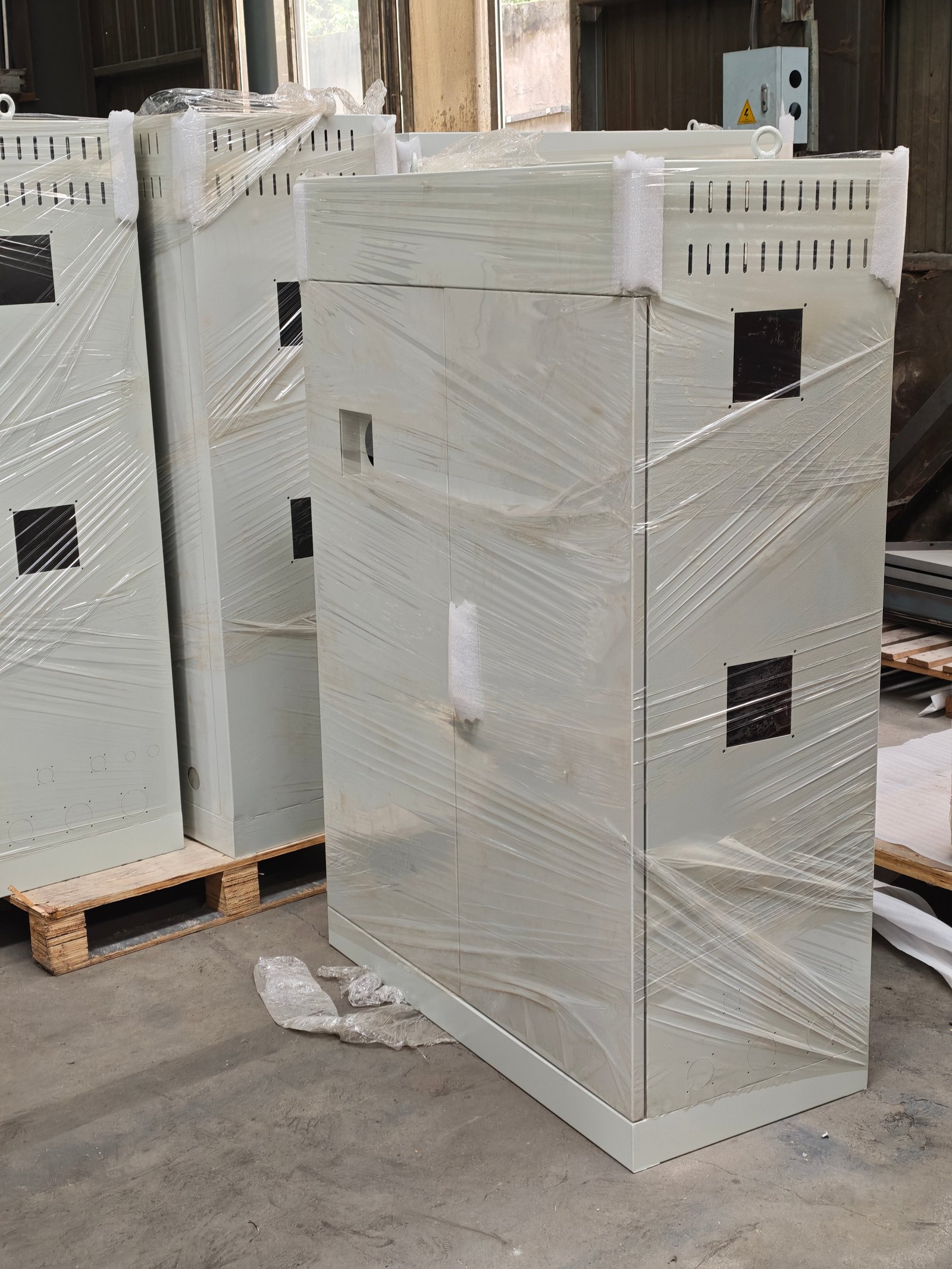
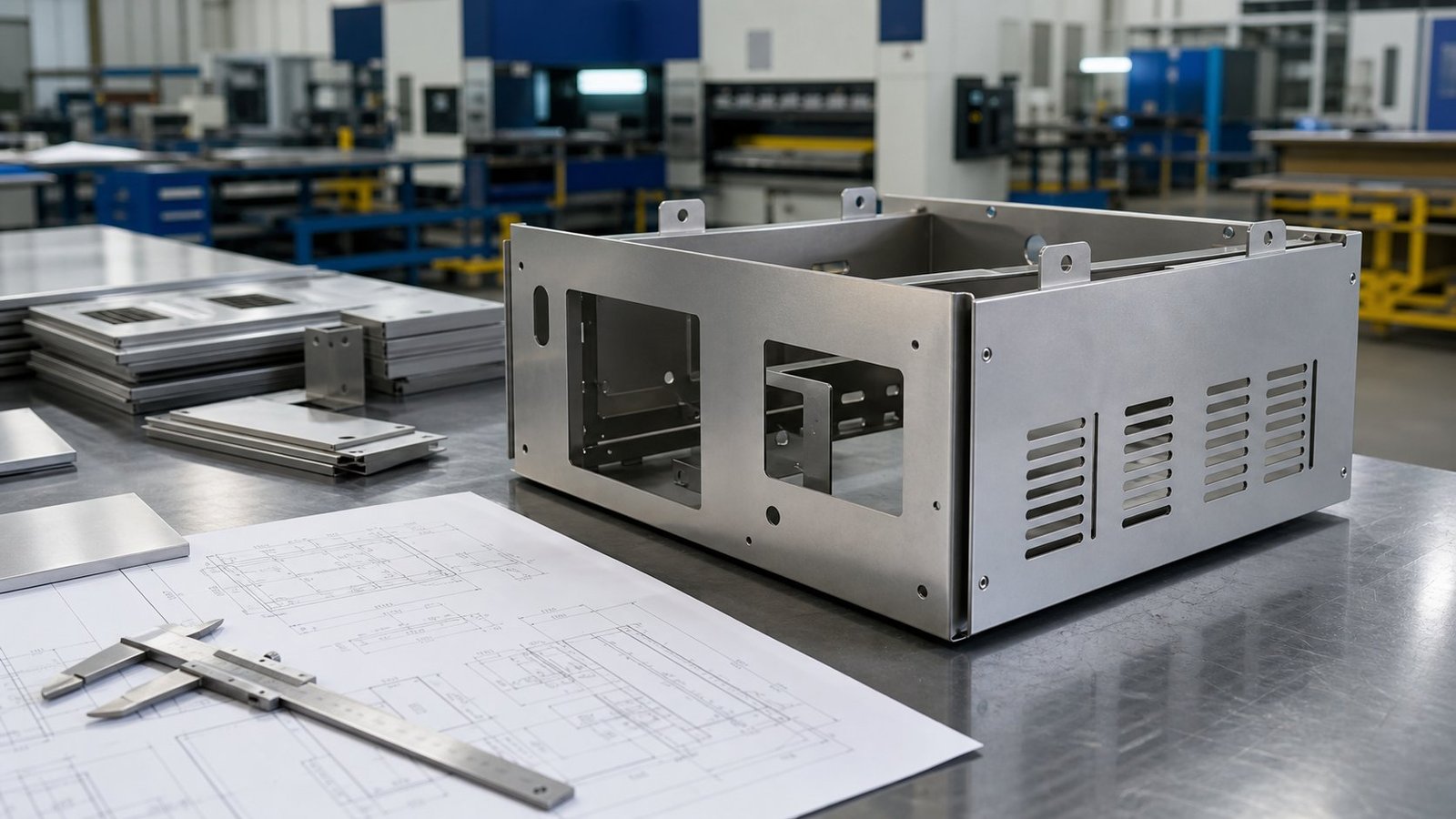
A good custom enclosure quotation starts before the factory cuts any sheet. Overseas buyers should define the use environment, mounting method, ventilation, openings, internal components and finish requirements so the supplier can judge manufacturability and cost correctly.

Read article details
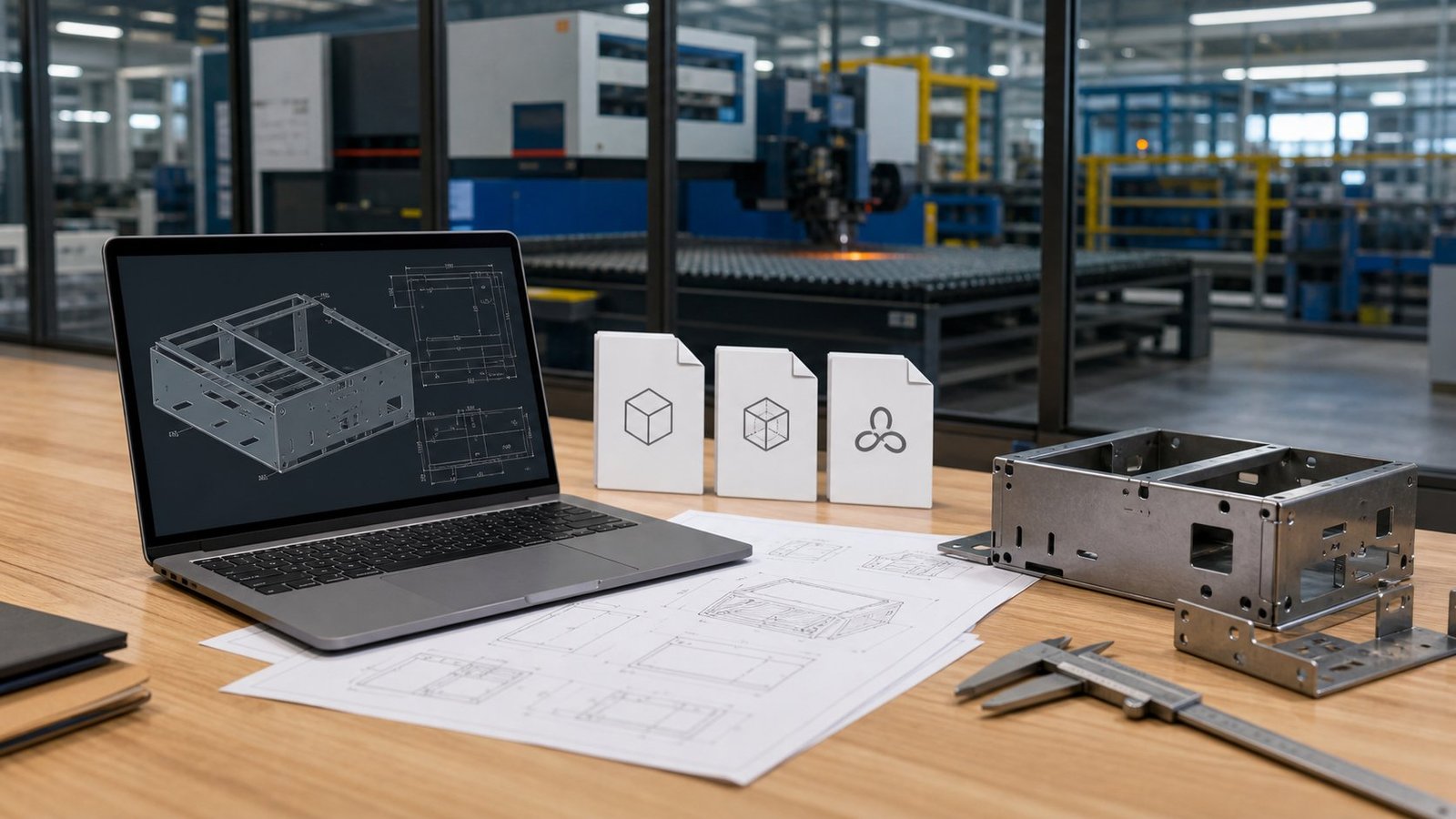
  • Share 3D CAD and 2D drawings when possible, especially STEP/STP plus PDF or DWG.
  • Confirm enclosure material, sheet thickness, door structure, hinges, handles, louver openings and cable entry positions.
  • Explain whether the enclosure is used indoors, outdoors, near water, around heat sources or inside moving equipment.
  • For repeat orders, ask the supplier to record critical dimensions, coating color, packaging method and inspection points.

Why enclosure details change the quotation

Two enclosures with similar outer size can have very different costs if one needs tight door gaps, welded internal brackets, gasket grooves, ventilation slots or outdoor powder coating. Before asking for price, buyers should define which surfaces are cosmetic, which openings are functional and which dimensions affect assembly.

What to send with the drawing

A practical RFQ package includes CAD files, flat pattern or 2D drawings, material grade, sheet thickness, finish color, expected order quantity and target use environment. Photos of old samples or installation space also help the factory understand real working conditions.

Buyer FAQ

What files are best for custom sheet metal enclosures?

STEP or STP files are best for 3D review, while DXF, DWG or PDF drawings help confirm dimensions, tolerances and notes.

Should buyers specify powder coating before quotation?

Yes. Coating color, texture, gloss, corrosion requirement and masking areas can all affect cost and lead time.
CNC Bending Design Rules for Non-Standard Sheet Metal Brackets and Covers
Bending DFM

CNC Bending Design Rules for Non-Standard Sheet Metal Brackets and Covers

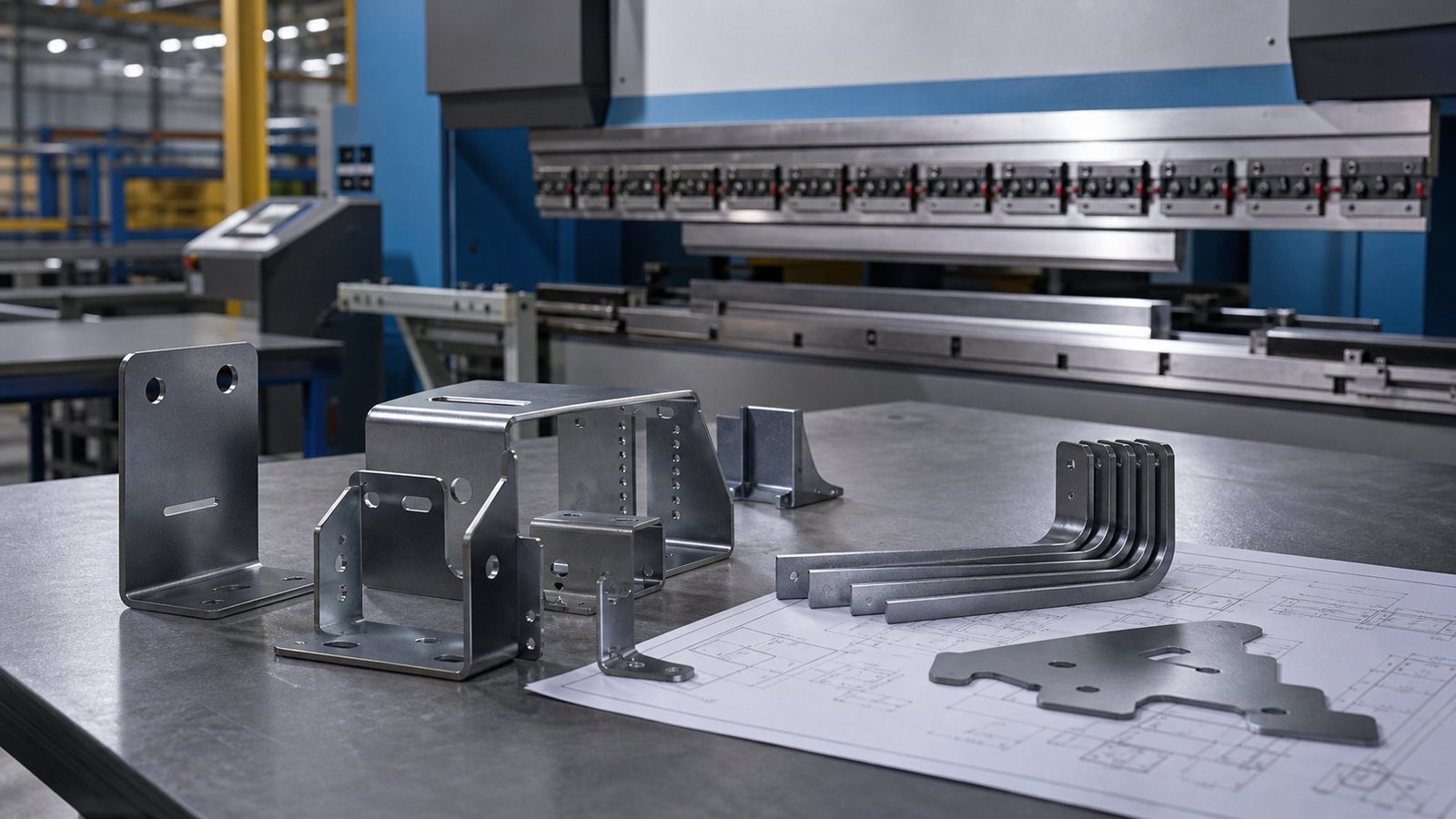
CNC bending quality depends on more than machine tonnage. Bend radius, flange length, hole position, material grain direction and tolerance strategy all affect whether custom brackets and covers can be formed accurately and repeatedly.

Read article details
  • Avoid placing holes, slots or countersinks too close to the bend line unless the deformation is acceptable.
  • Use practical bend radii and flange lengths based on material thickness and tooling availability.
  • Separate cosmetic surfaces from hidden assembly surfaces so the factory can protect the right areas during forming.
  • For complex formed parts, request a DFM review before sample production to reduce rework and fixture cost.

Common bending risks

Non-standard brackets, panels and covers often fail because features are too close to bend lines, flanges are too short for tooling or tolerances are applied to every dimension. A factory-side DFM check helps separate critical assembly dimensions from general fabrication dimensions.

How to lower bending cost

Use standard tooling where possible, keep bend direction consistent and avoid unnecessary secondary forming. If a bracket has many bends, tell the supplier which faces connect to other components so bend sequence and inspection points can be planned early.

Buyer FAQ

Why do holes deform near a bend?

Material stretches during bending. Holes or slots too close to the bend line may become oval or distorted unless tooling or design is adjusted.

Can tight tolerances be held on bent parts?

Yes for critical features, but not every dimension needs tight tolerance. Mark the important assembly dimensions clearly.

How to Choose Sheet Metal Material and Thickness for Custom Fabricated Parts
Material Selection

How to Choose Sheet Metal Material and Thickness for Custom Fabricated Parts

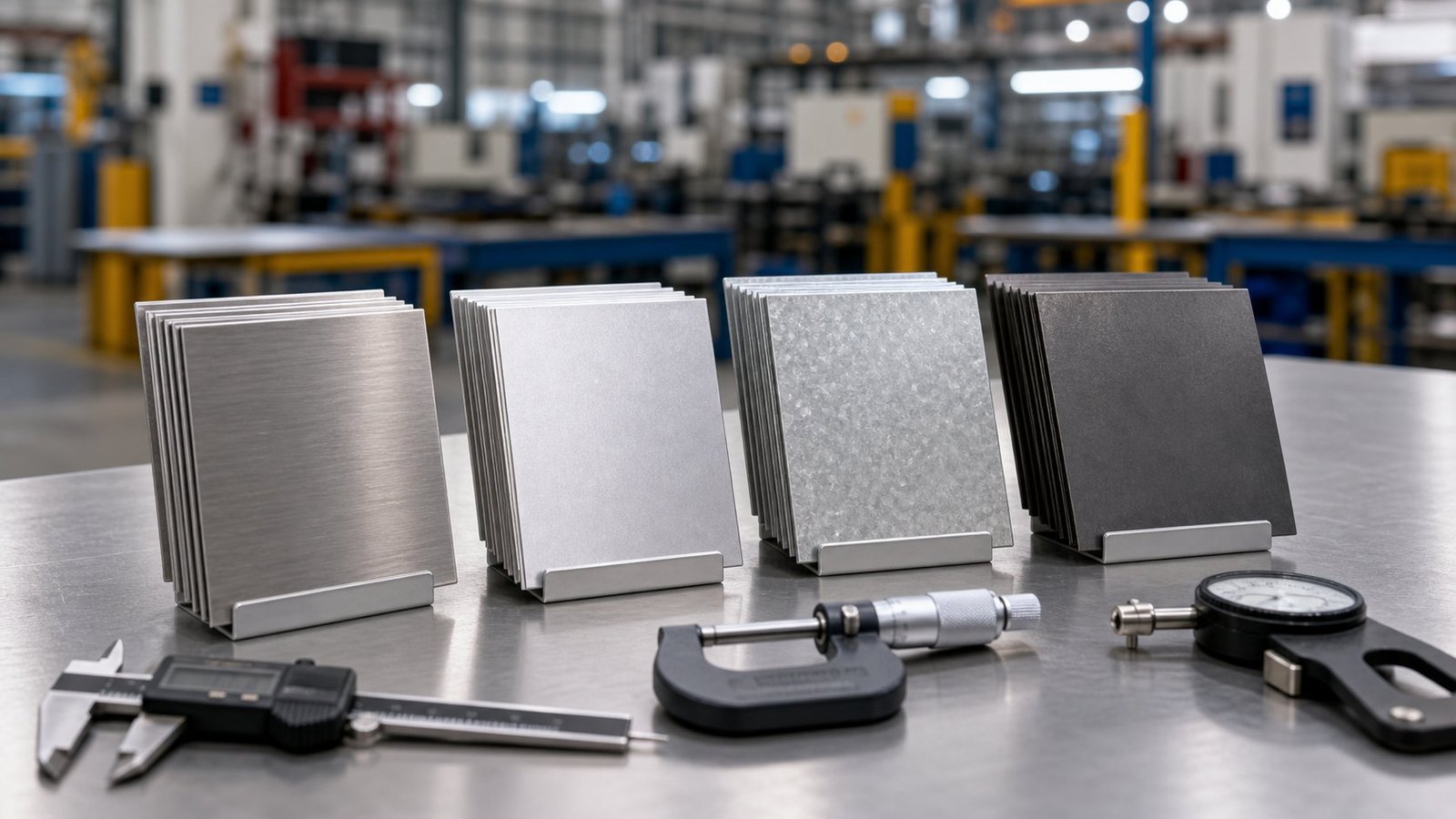
Material and thickness decide strength, bending feasibility, welding risk, surface finish and final cost. Buyers should choose carbon steel, stainless steel, aluminum or galvanized sheet based on the working environment, load, appearance and budget.

Read article details
  • Carbon steel is cost-effective for painted machine covers, brackets and structural parts.
  • Stainless steel is useful for corrosion resistance, clean surfaces and food or medical equipment parts.
  • Aluminum helps reduce weight but needs careful review for bending, welding and surface treatment.
  • When uncertain, send the target use condition and load requirement so the factory can recommend a practical thickness range.

Material choice should follow use conditions

A cabinet used indoors, a stainless cover near moisture and an aluminum machine guard all need different material decisions. The right choice balances strength, corrosion resistance, weight, appearance, welding feasibility and finishing cost.

Thickness affects more than strength

Thicker sheet may improve rigidity but can increase bending force, welding heat input, weight and cost. Thinner sheet can reduce cost but may need ribs, folded edges or internal supports to avoid vibration and deformation.

Buyer FAQ

Which material is most common for powder coated machine covers?

Carbon steel is commonly used because it is cost-effective and works well with powder coating.

When should stainless steel be selected?

Use stainless steel when corrosion resistance, cleanability or unpainted metal appearance is important.

Welding, Grinding and Powder Coating Checks for Custom Sheet Metal Assemblies
Welding & Finish

Welding, Grinding and Powder Coating Checks for Custom Sheet Metal Assemblies

For non-standard sheet metal assemblies, the final quality is often decided after cutting and bending. Weld seam position, grinding level, coating coverage, masking requirements and packaging protection should be clarified before production.

Read article details
  • Mark visible surfaces and hidden weld areas on drawings to avoid unnecessary cosmetic cost.
  • Confirm whether welds need full welding, intermittent welding, spot welding or only positioning support.
  • Define powder coating color, texture, gloss, corrosion requirement and masking areas for threads or contact surfaces.
  • Ask for photos before shipment when parts have cosmetic surfaces, tight assembly fit or export packaging requirements.

Welding decisions affect appearance and distortion

A welded frame, enclosure or bracket may need full welds for strength, intermittent welds for lower heat input or spot welding for sheet assemblies. If visible faces require grinding, the factory should know before quoting because labor time changes significantly.

Finishing details should not be vague

Powder coating, polishing, brushing and plating each need different surface preparation. Buyers should define color, texture, gloss, masking areas and packaging protection, especially for export parts with visible surfaces.

Buyer FAQ

Do all welds need to be ground smooth?

No. Grinding should be specified only for visible or functional surfaces because it adds cost and time.

Why are masking areas important for powder coating?

Threads, grounding points, sliding surfaces and tight assembly faces may fail if coating is applied where metal contact is required.

How to Prepare a Drawing Package for Faster Custom Sheet Metal Quotation
RFQ Checklist

How to Prepare a Drawing Package for Faster Custom Sheet Metal Quotation

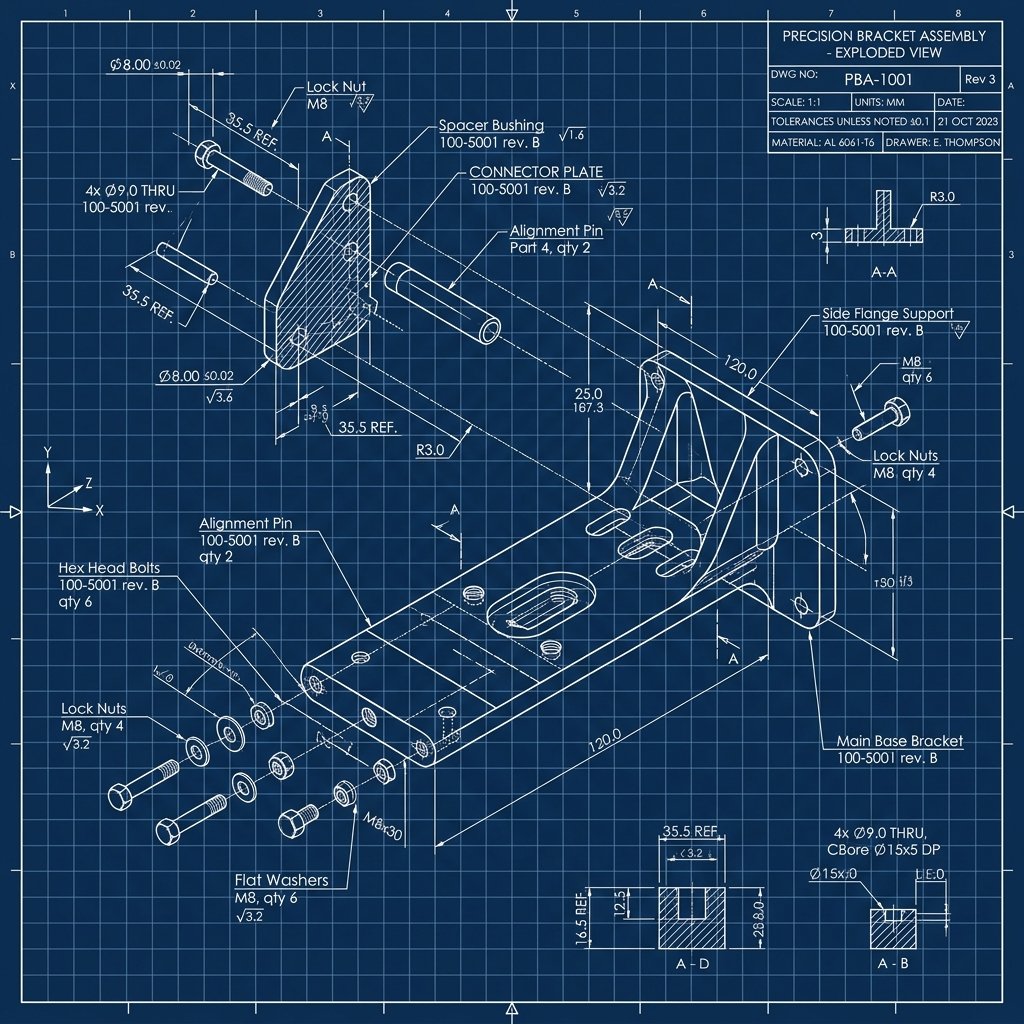
A complete RFQ package helps the factory quote faster and reduces back-and-forth emails. For custom sheet metal projects, the most useful information includes CAD files, drawings, material, thickness, quantity, finish, tolerance needs and delivery target.

Read article details
  • Send editable 3D files such as STEP/STP, SLDPRT or X_T together with PDF, DXF or DWG drawings.
  • List material grade, sheet thickness, surface finish, quantity, expected annual volume and target delivery date.
  • Point out critical dimensions, assembly interfaces, cosmetic faces and any dimensions that can use general tolerances.
  • If the design is not final, say so clearly and ask for manufacturability suggestions before sample tooling or fixtures are made.

Why complete RFQ data speeds up response

Factories need more than a picture to quote custom sheet metal parts. Material, thickness, quantity, finish, tolerance, assembly use and packaging requirements all influence process route, labor time and risk. Complete RFQ data reduces back-and-forth communication.

A simple RFQ checklist

Prepare CAD files, 2D drawings, material and thickness, finish requirement, quantity, target delivery date, critical dimensions, sample photos if available and destination country. This helps the export team review production and shipping requirements together.

Buyer FAQ

Can a supplier quote from PDF only?

Sometimes yes, but STEP/STP or other editable 3D files make DFM review faster and reduce interpretation errors.

Should annual volume be shared for a prototype?

Yes. Expected annual volume helps the factory decide whether to suggest simple tooling, fixtures or a lower-cost production route.

How to Choose a Custom Sheet Metal Fabrication Supplier in China
Sourcing Guide

How to Choose a Custom Sheet Metal Fabrication Supplier in China

For overseas buyers, the best supplier is not always the cheapest quotation. A reliable sheet metal partner should understand drawings, control production details and communicate clearly during export follow-up.

Read article details
  • Check whether the supplier can review STEP, DXF, DWG and PDF files.
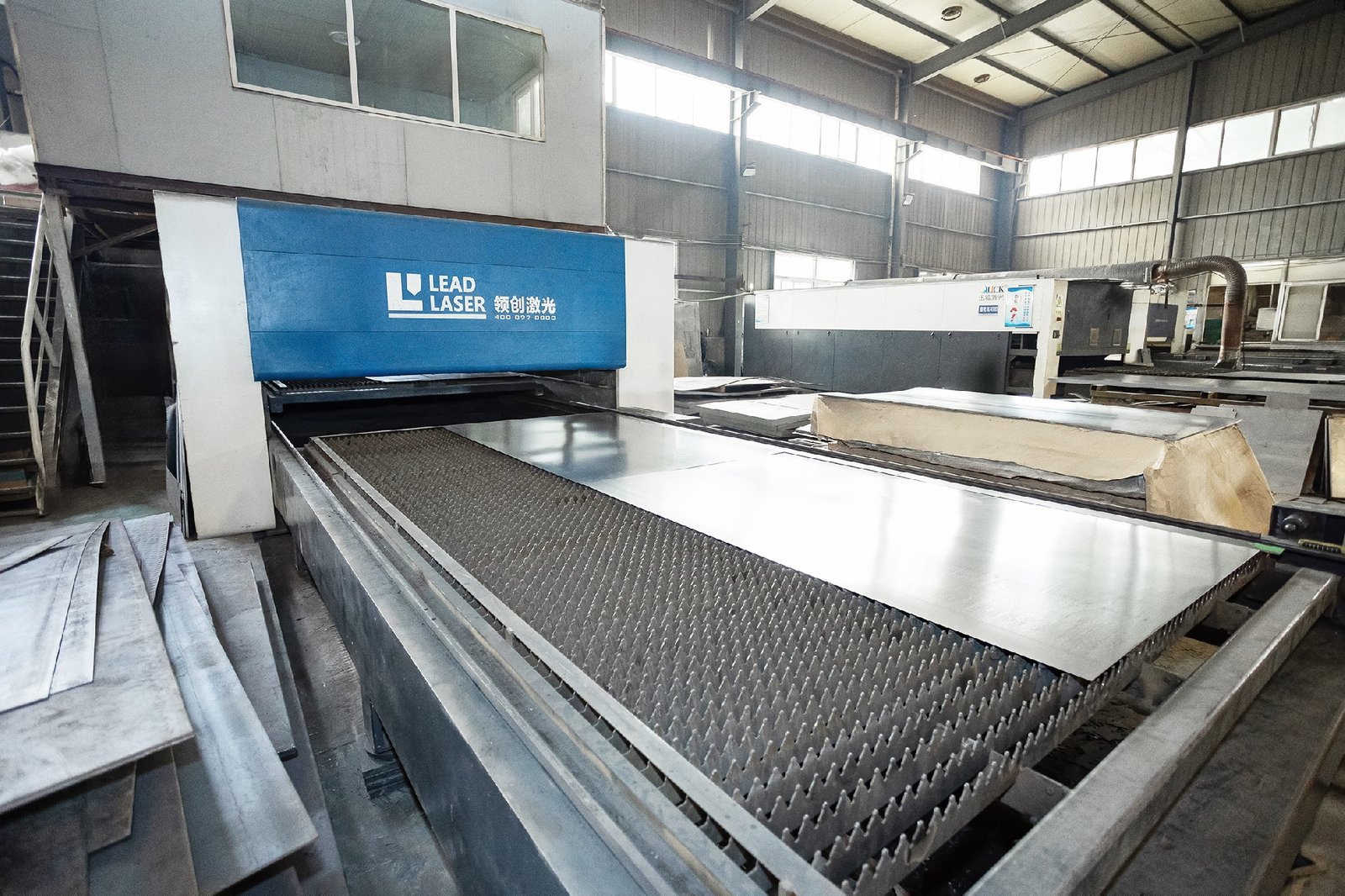
  • Ask about laser cutting, CNC bending, welding, finishing and assembly under one workflow.
  • Confirm tolerance, inspection, packaging and lead time before the first order.
Design Tips for Faster CNC Bending and Lower Sheet Metal Cost
DFM Tips

Design Tips for Faster CNC Bending and Lower Sheet Metal Cost

Small design details can decide whether a non-standard part is easy to bend, expensive to weld or risky to assemble. DFM review helps reduce rework before production starts.

Read article details
  • Keep bend radius and hole-to-bend distance practical.
  • Avoid unnecessary tight tolerances on non-critical features.
  • Share assembly use so the supplier can suggest process improvements.
What Buyers Should Specify for Custom Electrical Enclosures
Product Application

What Buyers Should Specify for Custom Electrical Enclosures

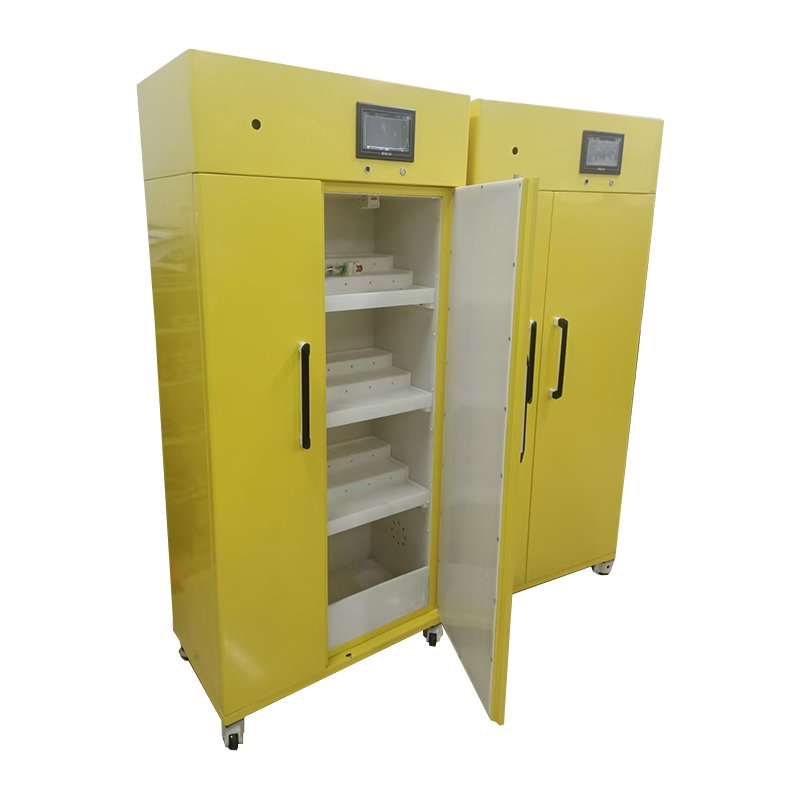
Electrical cabinets and control boxes need more than a metal shell. Buyers should define openings, mounting points, protection level, coating, ventilation and packing requirements.

Read article details
  • Confirm material, thickness, door structure and hinge details.
  • Specify powder coating color, texture and corrosion requirements.
  • Provide component layout if internal mounting plates are needed.
Laser Cutting, Bending, Welding and Powder Coating: A Complete Sheet Metal Workflow
Manufacturing Process

Laser Cutting, Bending, Welding and Powder Coating: A Complete Sheet Metal Workflow

A full-process supplier can reduce handoff mistakes and keep responsibility clear from raw sheet cutting to finished metal assembly.

Read article details
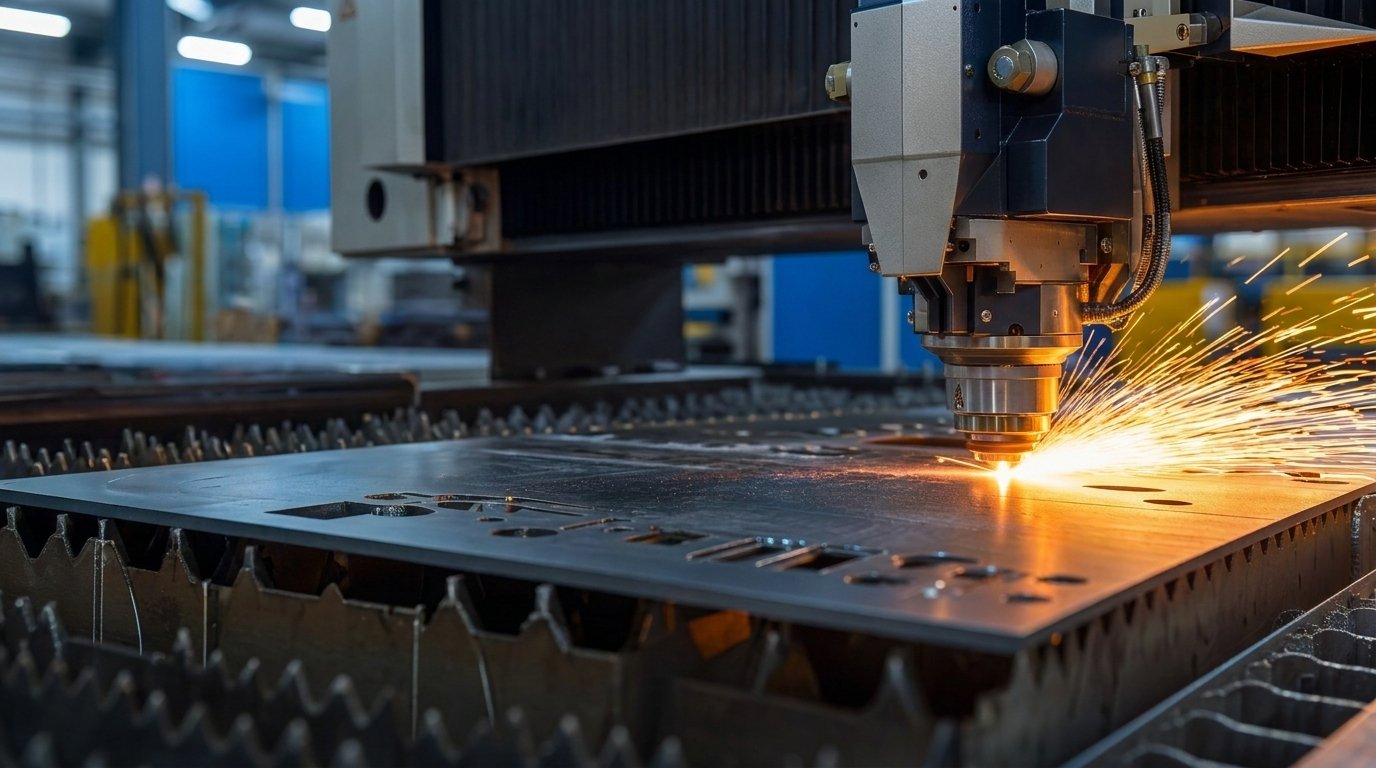
  • Laser cutting controls blank accuracy and edge quality.
  • CNC bending determines formed dimensions and assembly fit.
  • Welding and surface finishing affect final strength and appearance.